The Dambulla Cave Temple (Rangiri Dambulla Raja Maha Viharaya) is the other great monument of the area and the natural partner to Sigiriya: where the rock is a king’s secular citadel, Dambulla is pure devotion. Five cave shrines sit under a huge granite overhang about 160 metres above the plain. Tradition links them to King Valagamba, who is said to have sheltered here in the 1st century BCE and turned the caves into a temple once he regained his throne.
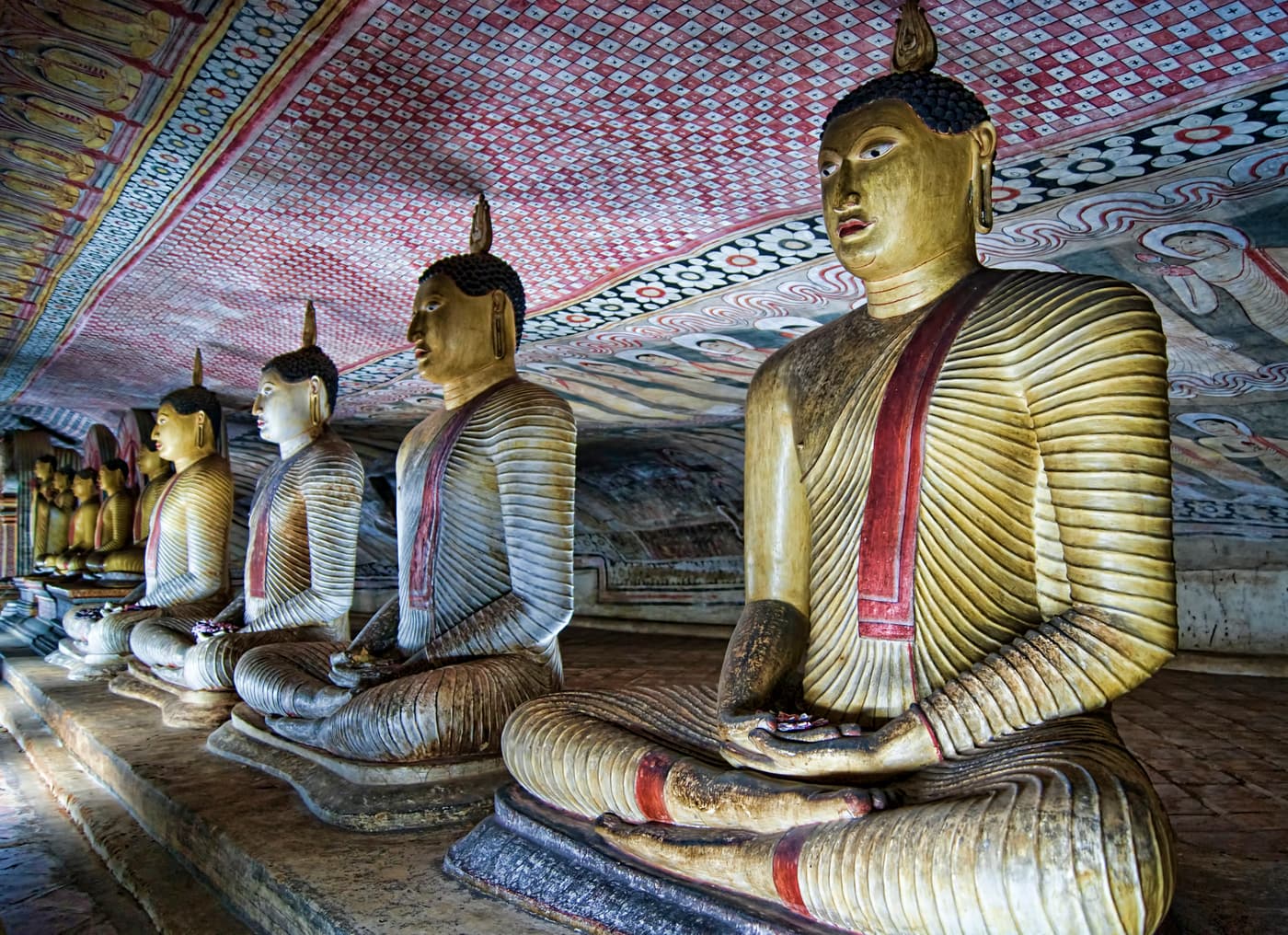
Later kings added to it for the next two thousand years. The caves now hold more than 150 Buddha statues and are painted over almost every surface. UNESCO listed the site in 1991, and it is still an active monastery.
Top things to do at Dambulla Cave Temple
Walk the five caves in order
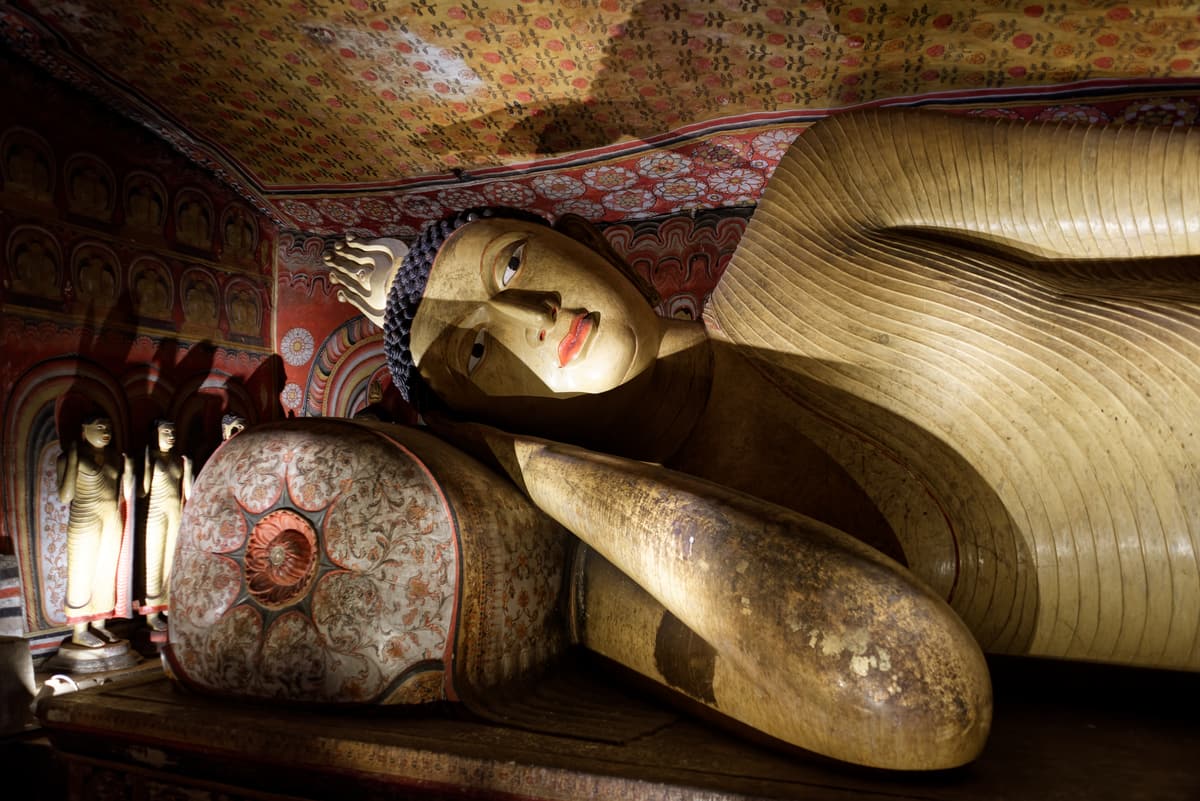
The first holds a 14-metre reclining Buddha cut from the living rock. The second, the Cave of the Great Kings, is the largest and finest, crowded with statues beneath a painted ceiling. The remaining three are later and smaller but richly decorated.
Look up at the ceilings
The murals follow every ripple of the rock, so that rows of Buddhas and scenes from his life seem to hang overhead like cloth. Give your eyes a minute to adjust to the dimness.
Pick out Sigiriya from the terrace
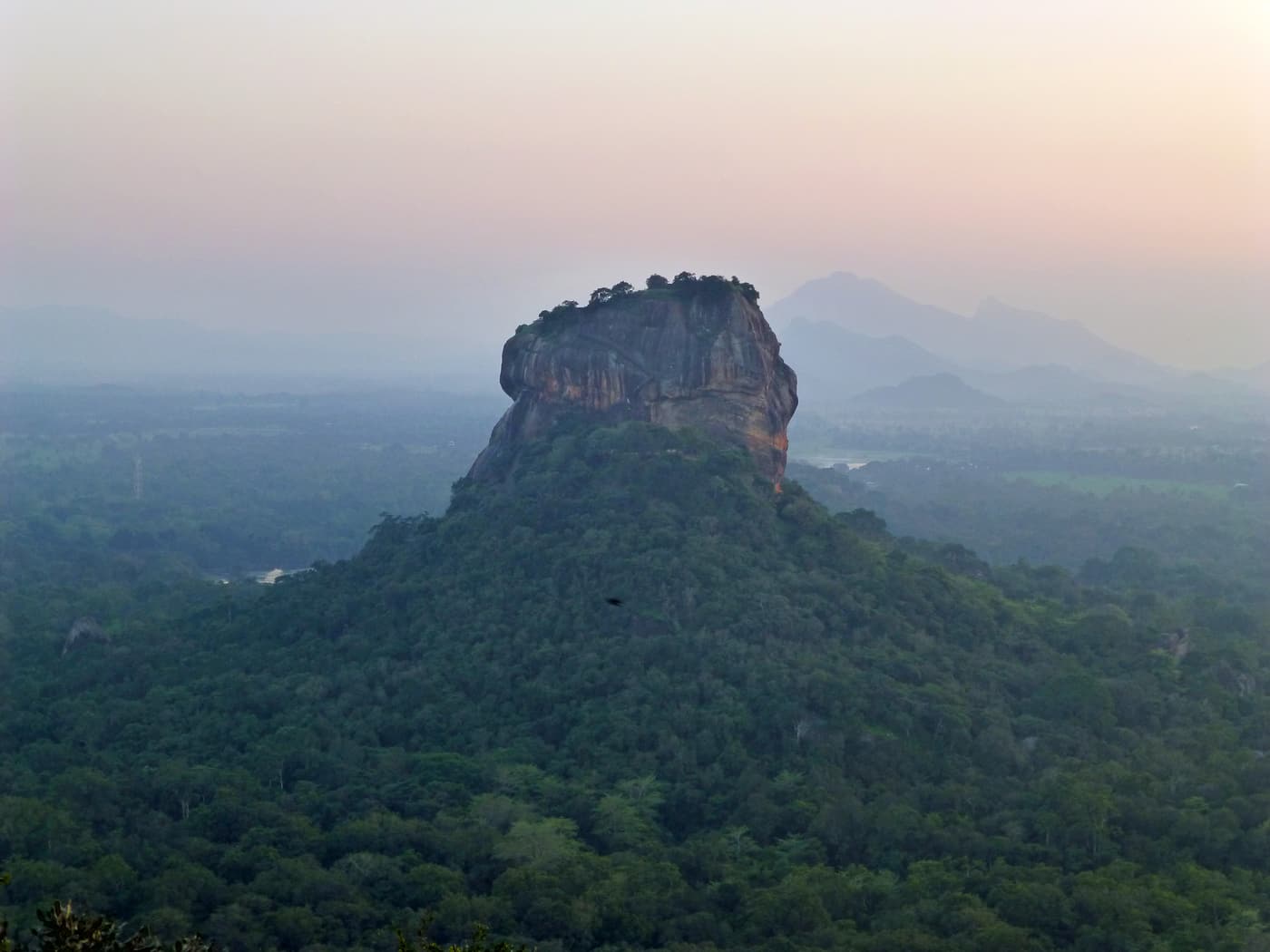
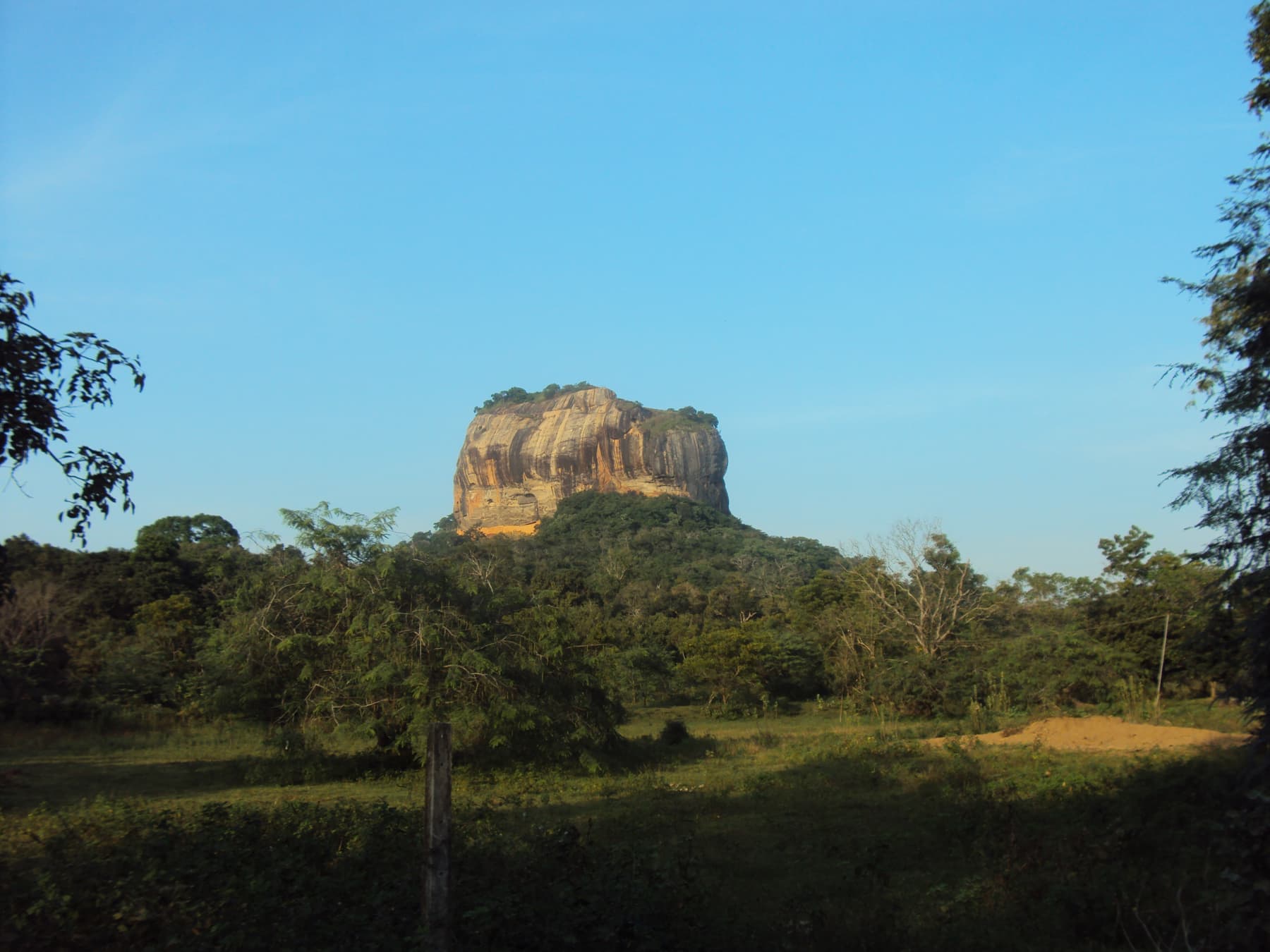
From the courtyard in front of the caves the view runs north over the forest, and on a clear day you can find Sigiriya rock on the horizon.
How to get to Dambulla Cave Temple
- From Sigiriya: about 17 km to Dambulla town and a little further to the temple on the southern edge — around 30–40 minutes by tuk-tuk or car. The half-hourly local bus goes to the Dambulla bus stand, from where it is a short tuk-tuk ride.
- The climb: a paved path and steps lead from the road up to the caves in 10–20 minutes.
- On the way to Kandy: the temple is on the main road south, so it fits perfectly into the journey — a transfer with sightseeing stops does exactly that.
Insider tips
- This is a temple: shoulders and knees covered, hats and shoes off before the shrines. The rock terrace is hot underfoot — socks help.
- Buy the ticket before you climb; foreign adults pay around LKR 2,000 (check current rates).
- Never pose with your back to a Buddha statue. It is considered deeply disrespectful.
- Late afternoon is cooler and quieter, and pairs well with a morning on Sigiriya.
Best tours & tickets for Dambulla Cave Temple
These top-rated experiences are the easiest way to see Dambulla Cave Temple:
 Day trip from US$27
 From Kandy: Sigiriya Rock & Dambulla Cave Temple Adventure
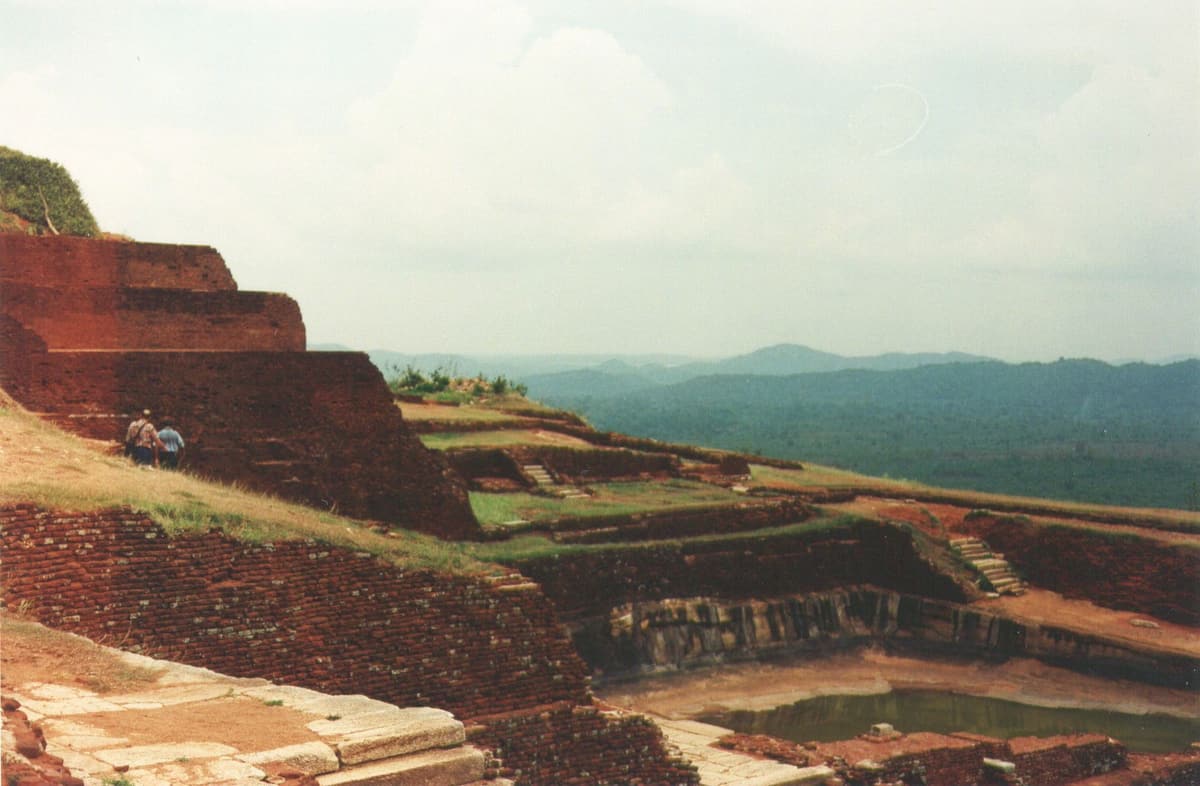
The stand-out day trip from Kandy and one of the best-reviewed tours in the region. A local driver-guide takes you north through Matale to climb the rock, then on to the painted caves of Dambulla before the return to Kandy.
- Sigiriya rock and the Dambulla Cave Temple in one day
- Stops on the way through the spice-growing country
- Close to 900 reviews at 4.9 stars
 Day trip from US$36
 From Colombo: Sigiriya and Dambulla Day Trip with Safari
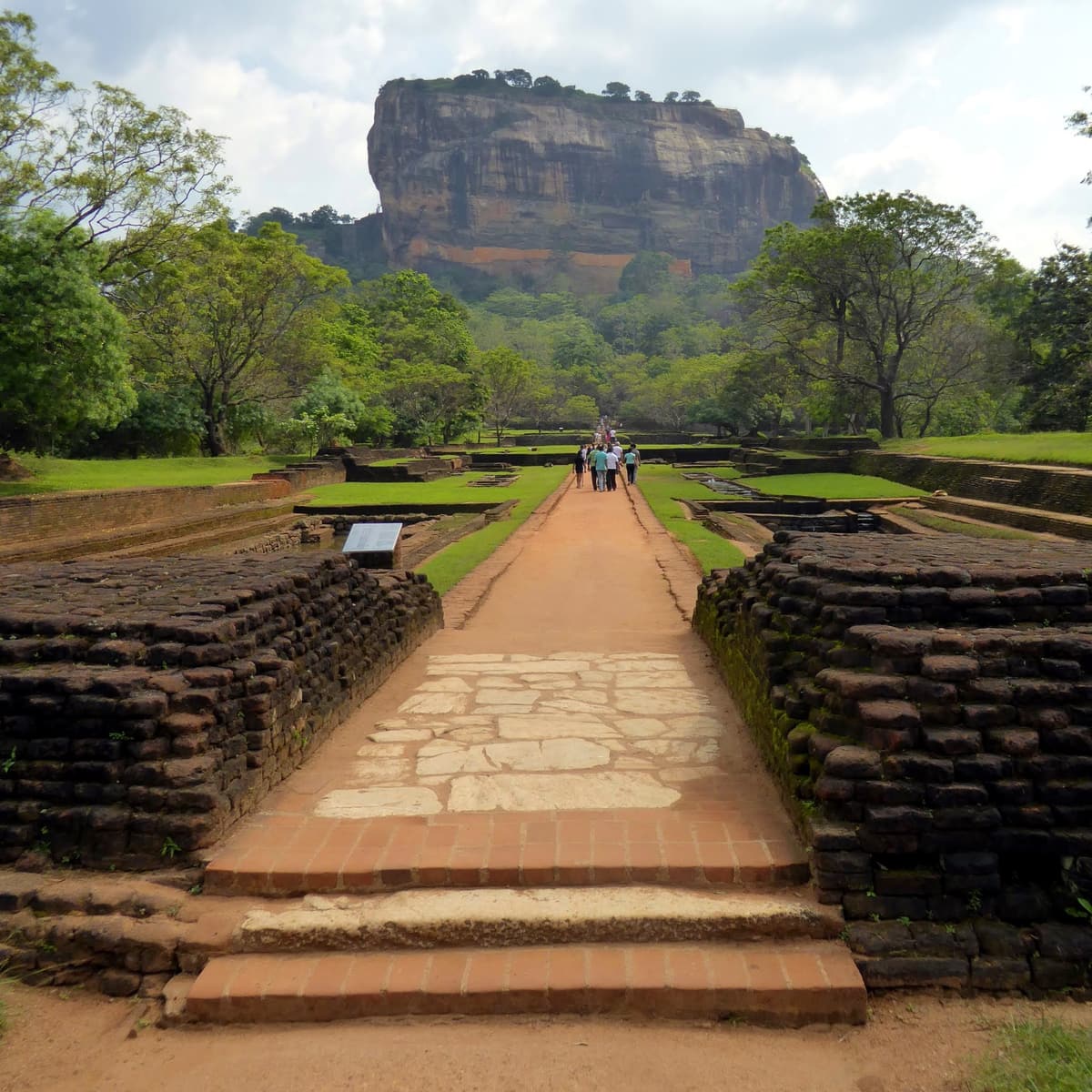
The most-booked way to see Lion Rock from the capital, with more than a thousand reviews. It is a very long day — an early pickup, the rock, the Dambulla Cave Temple and an optional safari before the drive back — but it works if Colombo is your only base. Entrance fees are normally extra.
- Climb Sigiriya Lion Rock
- The painted cave shrines of Dambulla
- Optional jeep safari to see wild elephants
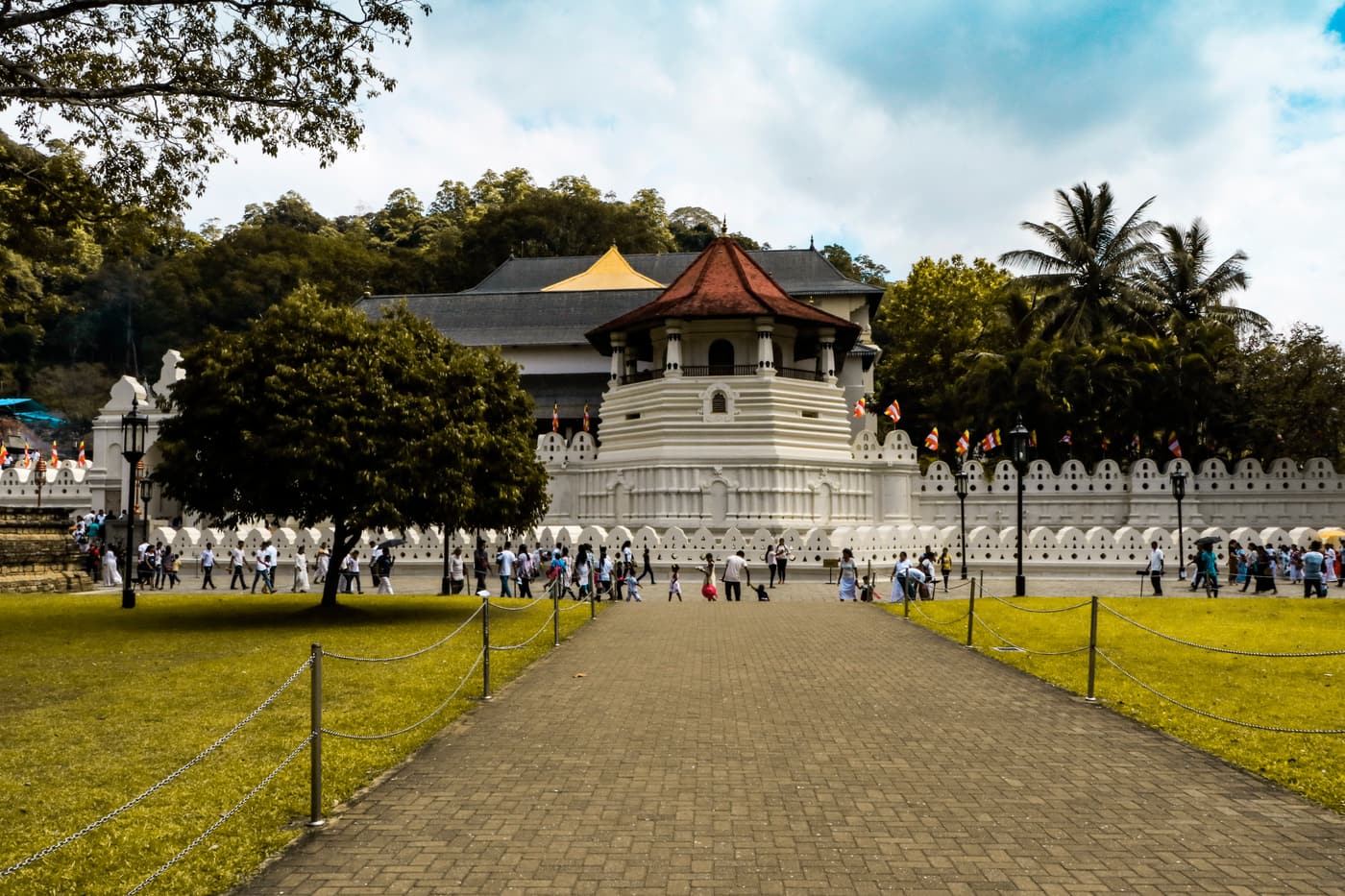 Transfer with sightseeing from US$25
 Kandy Drop Tour: From Sigiriya or Dambulla
Most itineraries continue from Sigiriya to Kandy. This transfer does the journey by private car with stops on the way — such as the Dambulla Cave Temple or a spice garden near Matale — so that you arrive in Kandy having seen something rather than just a road.
- Private car from your hotel to Kandy
- Sightseeing stops on the way south
- Turns a travel day into a touring day