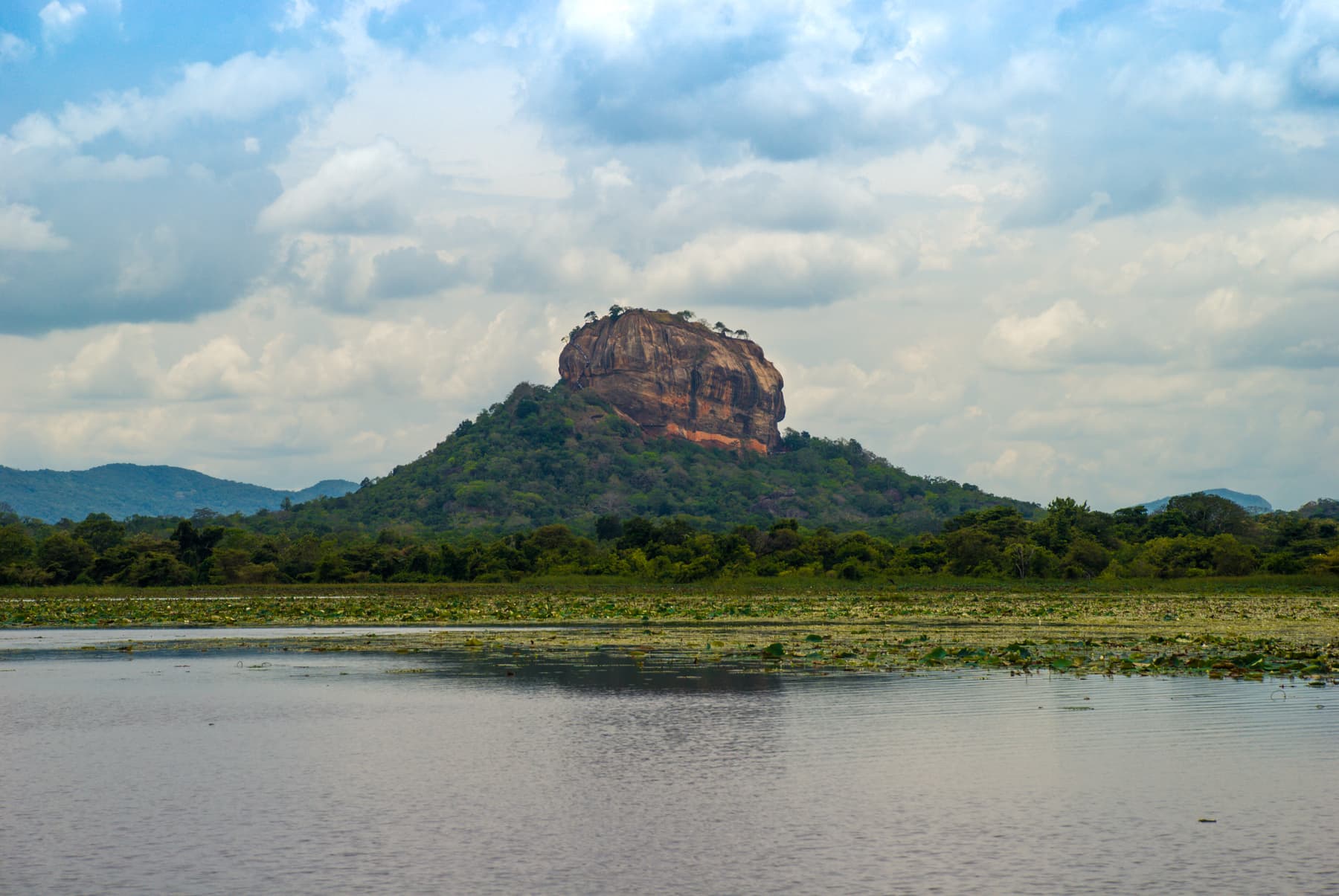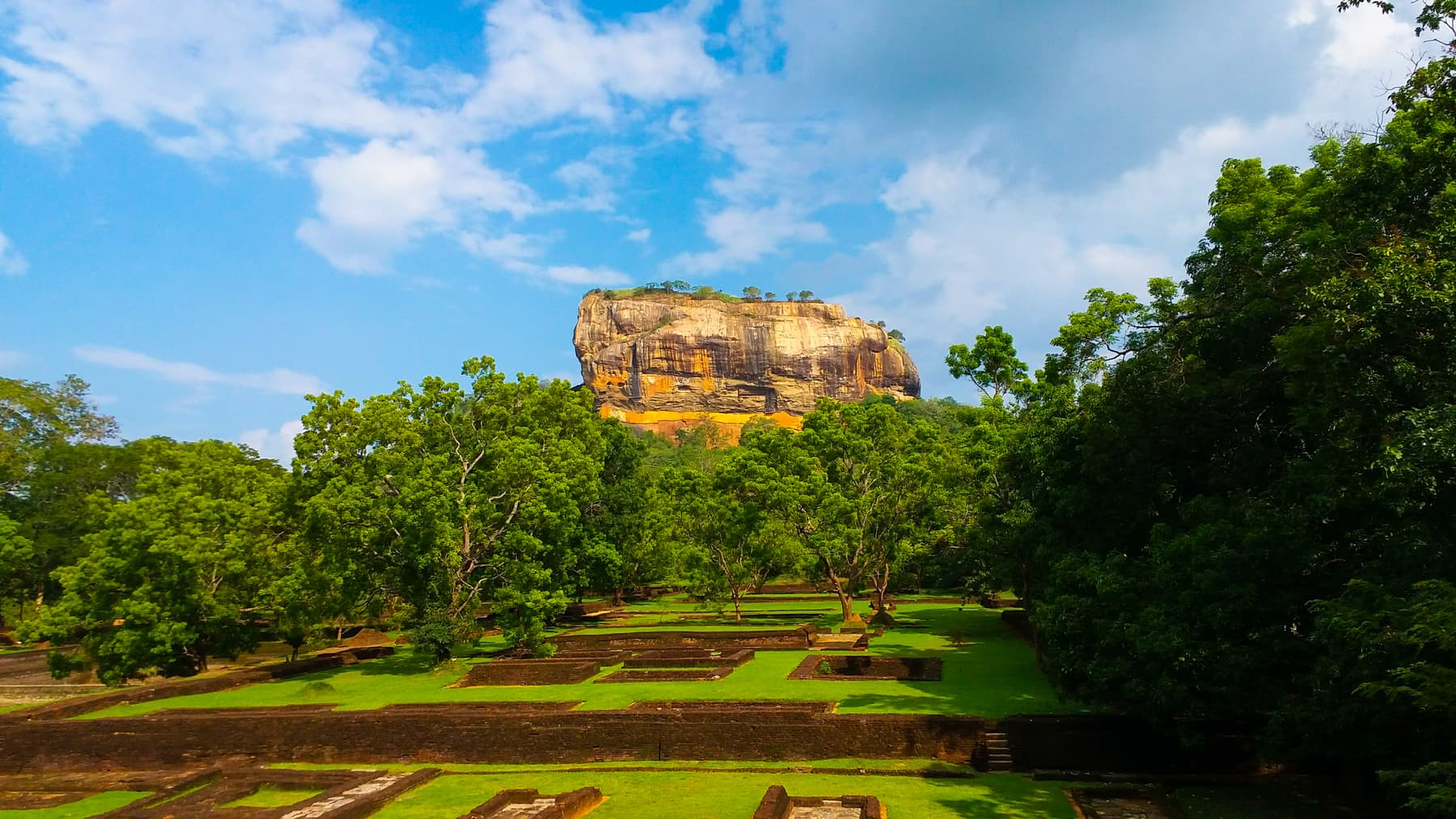
Sigiriya lies in Sri Lanka’s dry zone. It is warm all year, typically 30–34 °C by day and in the low twenties at night, and it keeps a different calendar from the beaches of the south-west: most of its rain comes between about October and January, while the months from May to September, wet in Colombo and Galle, are largely dry here.
You can climb the rock in any month. The table shows what to expect.
Sigiriya month by month
| Month | Weather | Crowds | Verdict |
|---|---|---|---|
| January | Rain easing, very green | High | Good; showers early in the month |
| February | Dry and sunny | High | Excellent |
| March | Dry, getting hot | High | Excellent; climb early |
| April | Hot, occasional thunderstorms | High | Good; busy around the New Year holidays |
| May | Hot, a few storms | Moderate | Quieter and good value |
| June | Dry and windy | Moderate | Very good |
| July | Dry | Rising | Very good; elephants begin to gather |
| August | Dry, hot | High | Peak of the elephant gathering |
| September | Dry, hot | Moderate | Very good; gathering continues |
| October | Rains begin | Low | Afternoon downpours; quiet |
| November | Usually the wettest month | Low | Unsettled, lush, cheap |
| December | Rainy spells | Rising | Mixed; busy at Christmas |
January to April — the main season
As the north-east monsoon fades in January the countryside is at its greenest and the reservoirs are full. February and March bring reliably dry, clear days and the largest number of visitors; reserve hotels with a view of the rock well ahead. April is the hottest month, with occasional late-afternoon thunderstorms, and domestic travel peaks around the Sinhala and Tamil New Year in the middle of the month. This is also the main season for hot-air balloon flights.
May to September — dry, breezy and underrated
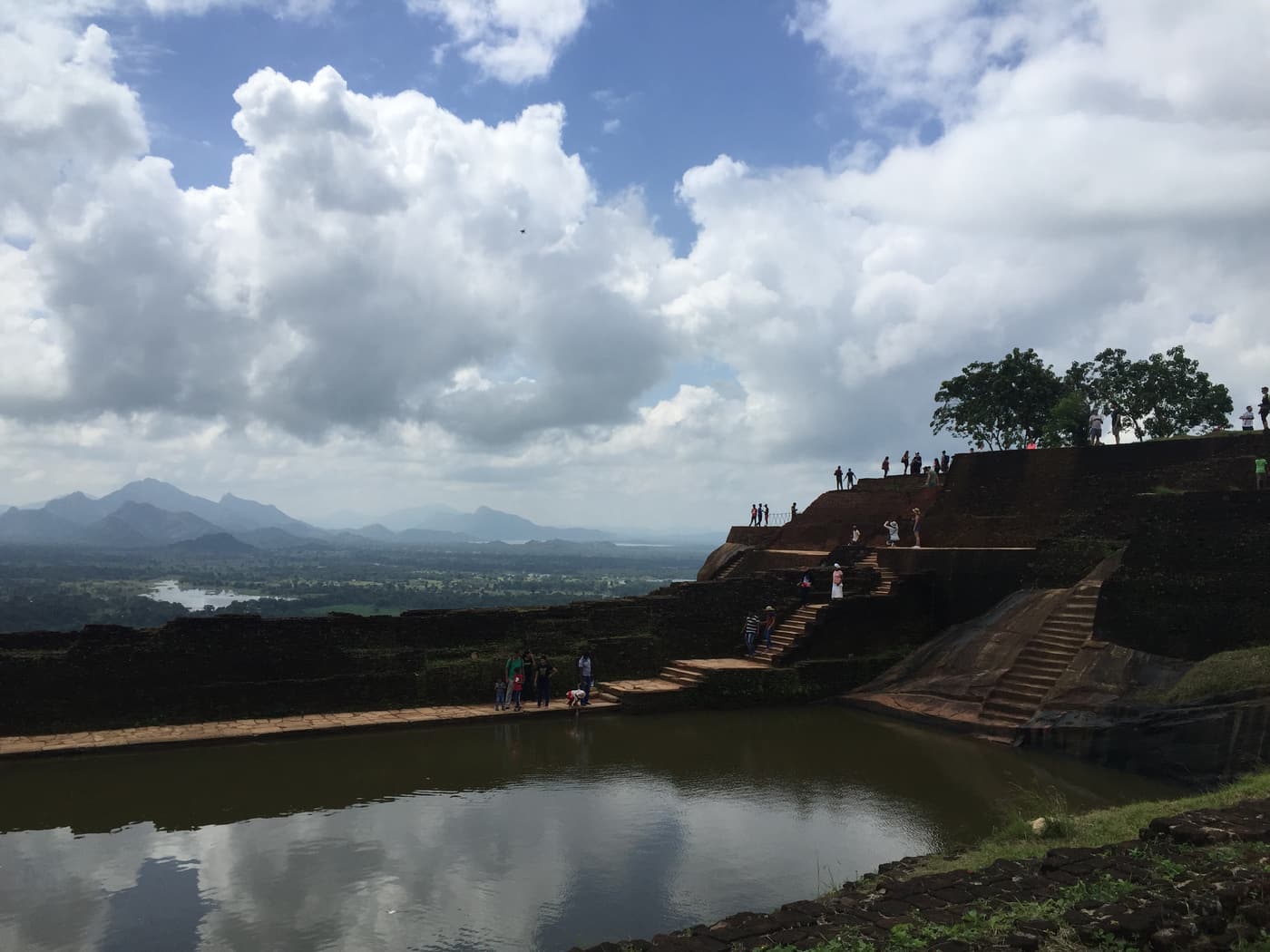
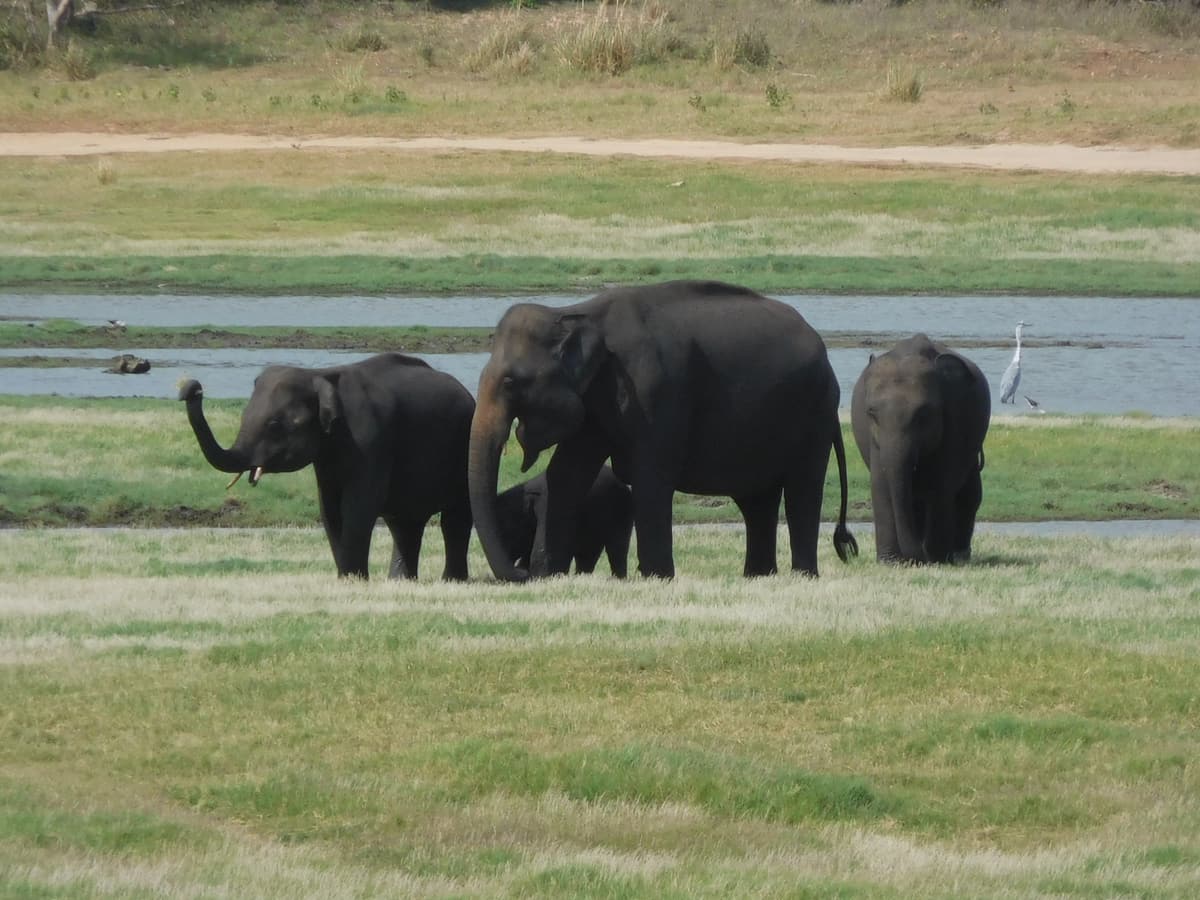
While the south-west monsoon soaks the west and south coasts, Sigiriya stays mostly dry. June and July can be windy, which takes the edge off the heat on the summit. From about July the herds begin to assemble on the shrinking Minneriya reservoir, and in August and September "The Gathering" is at its height — the best time of all to combine the rock with a safari. It also pairs naturally with the east-coast beaches, which are in season at the same time. The dry months are, however, when hornets on the rock tend to be most active.
October to December — the rains
The inter-monsoon and the north-east monsoon bring the heaviest rain, usually as intense afternoon and evening downpours with clear spells between. The rock stays open, the fountains in the water gardens may run and there are few other visitors, but steps are slippery, the view can vanish into cloud and sunrise at Pidurangala is a gamble. Build a spare morning into your plans.
Days and dates to know
- Weekends and Sri Lankan public holidays are much busier, with many local visitors; weekdays are calmer.
- Poya (full-moon) days are public holidays every month; alcohol is not sold.
- Sinhala and Tamil New Year (mid-April) and the long school holidays in April, August and December bring crowds.
- Vesak (the May full moon) is the most important Buddhist festival, celebrated with lanterns across the country.
- The Kandy Esala Perahera (July or August) fills hotels throughout the region.
When to avoid
- The middle of the day in any month.
- November, if you need dependable weather.
- Holiday weekends, if you dislike queues on the stairs.