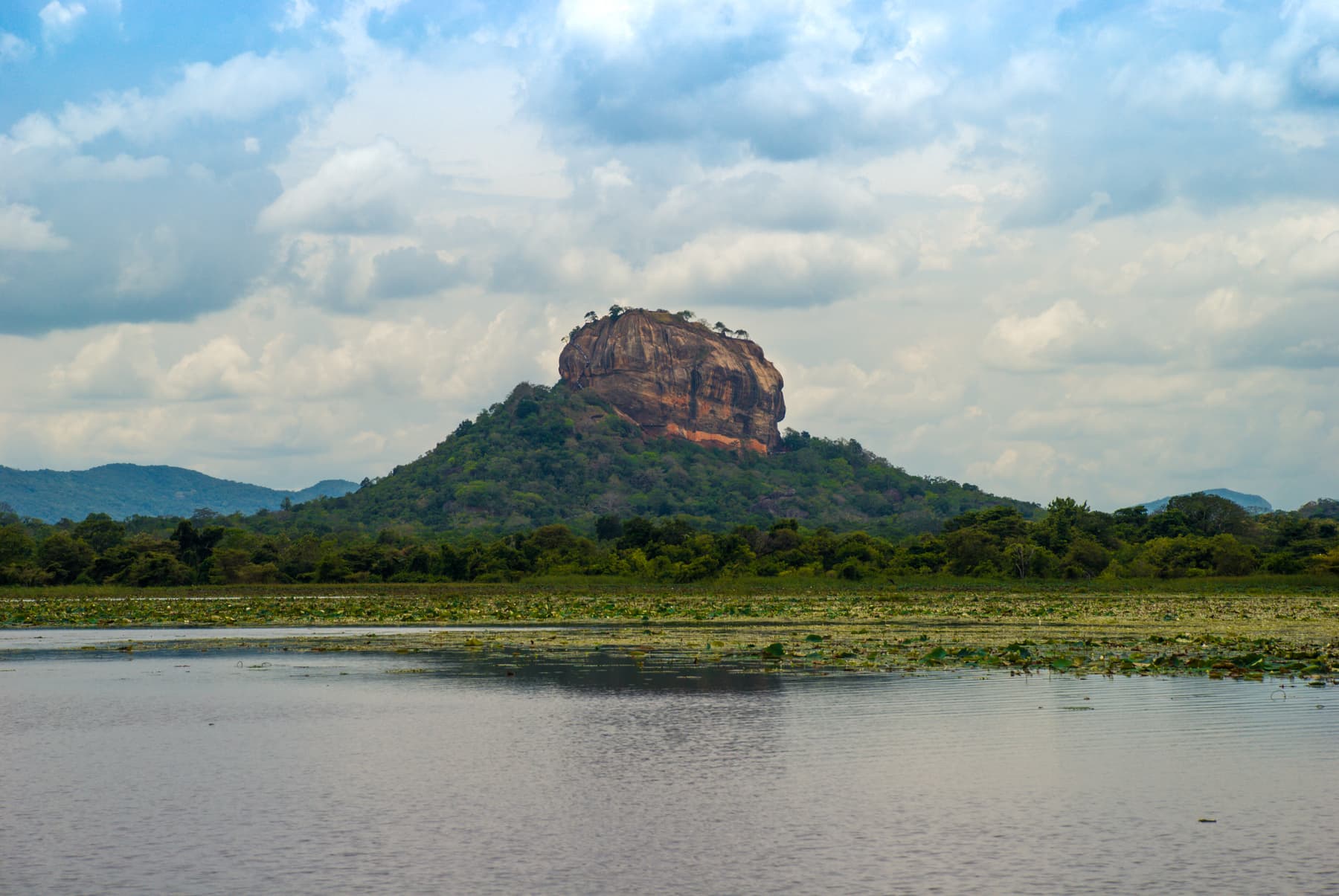
Sigiriya is two things at once: a small, green village of guesthouses, paddy fields and reservoirs, and the extraordinary rock that stands over it. Most visitors come for the rock and leave the same day. Those who stay discover one of the most relaxing corners of Sri Lanka — and the best base for the whole Cultural Triangle.
The story of the rock
Buddhist monks lived in the caves at the foot of Sigiriya from around the 3rd century BCE. Its moment of fame came seven hundred years later. According to the chronicle known as the Culavamsa, Kashyapa, a son of King Dhatusena of Anuradhapura by a lesser queen, overthrew his father in 477 CE and had him killed. The rightful heir, his half-brother Moggallana, fled to India. Fearing his return, Kashyapa left Anuradhapura and built a new capital at Sigiriya, with a palace on the summit of the rock.
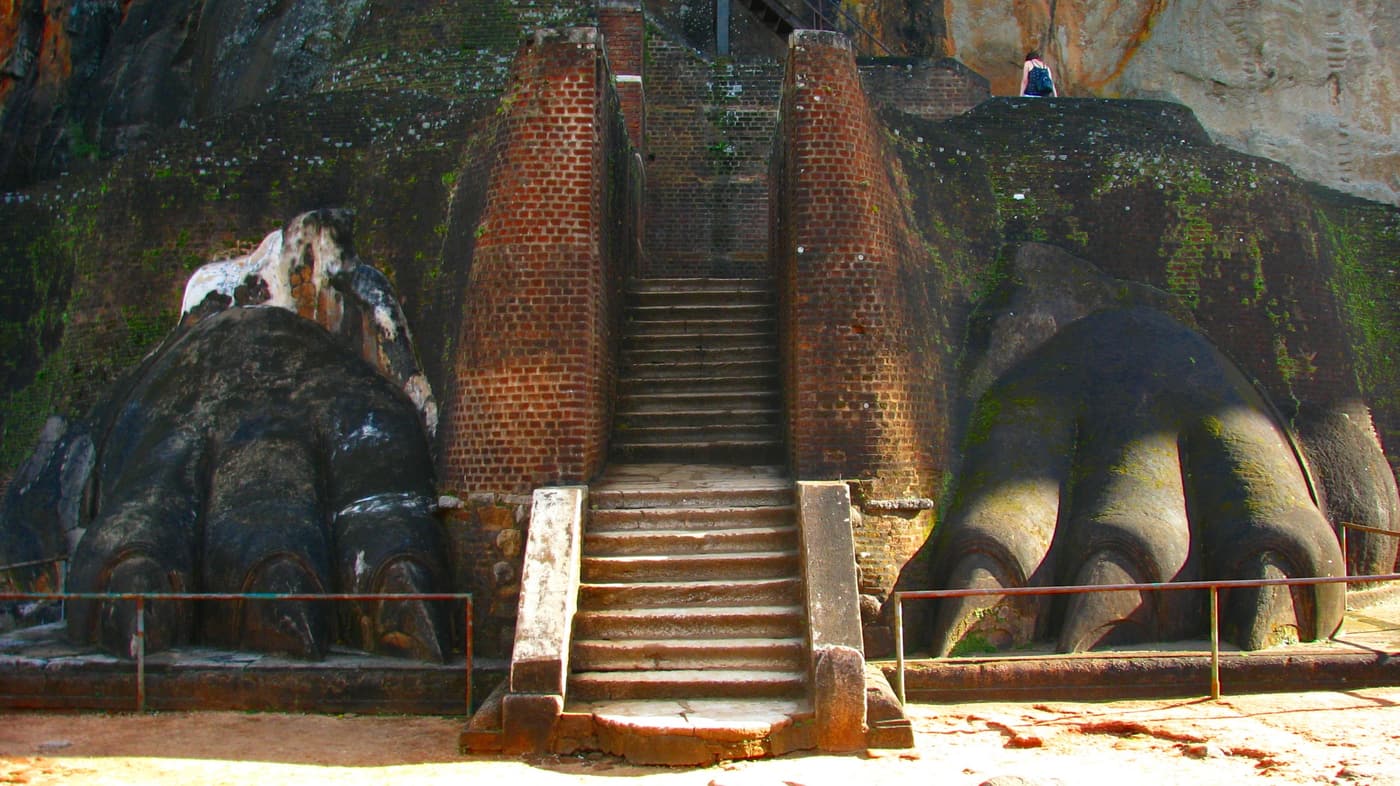
The result was one of the most ambitious pieces of town planning of the ancient world: moats and ramparts, symmetrical water gardens with working fountains, a great painted cliff, and a staircase that entered the upper palace through the jaws of a gigantic lion. It lasted eighteen years. In 495 Moggallana came back with an army; Kashyapa’s troops deserted him in battle and he killed himself. Moggallana returned the capital to Anuradhapura and gave Sigiriya to the monks, who stayed until about the 13th or 14th century.
Afterwards the forest took it back. British officers came upon the ruins in the 1830s, the archaeologist H. C. P. Bell began excavating in the 1890s, and UNESCO inscribed the site in 1982. Historians still argue over how much of the chronicle is literally true — and whether Sigiriya was above all a fortress, a pleasure palace or a statement of divine kingship.
How long do you need?
- A day trip — the rock only, usually in the heat of the day. Better than nothing.
- One night — arrive in the afternoon, climb Pidurangala for sunset, climb Sigiriya at opening time and leave by lunchtime.
- Two nights — our recommendation: add an afternoon elephant safari and a village tour or cooking class.
- Three or four nights — add Polonnaruwa, the Dambulla caves and a day doing very little by a pool.
What to see
 Sigiriya rock & village
 Sigiriya Rock Fortress
A king’s palace on top of a sheer rock
The fifth-century citadel of King Kashyapa: painted maidens in a pocket of the cliff, a polished wall scratched with thousand-year-old poetry, a staircase between giant lion paws and the foundations of a palace on the flat summit.
 Sigiriya rock & village
 Sigiriya Gardens & Museum
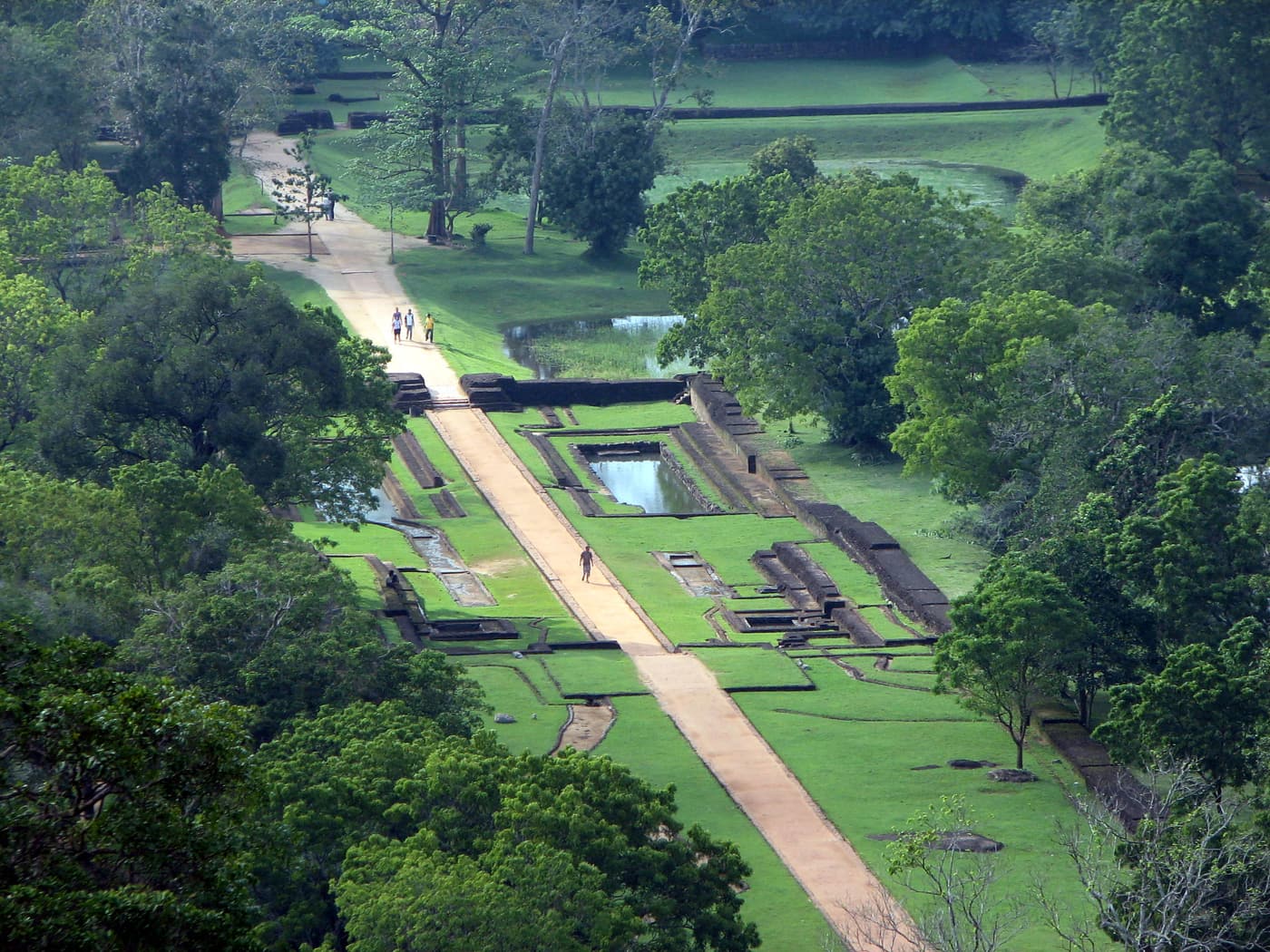
Water, boulder and terrace gardens below the rock
Before the climb comes one of the oldest landscaped gardens in the world: symmetrical pools and fountains, paths that wind through giant boulders and cave shelters, brick terraces stepping up to the cliff — and a museum that explains it all.
 Sigiriya rock & village
 Pidurangala Rock
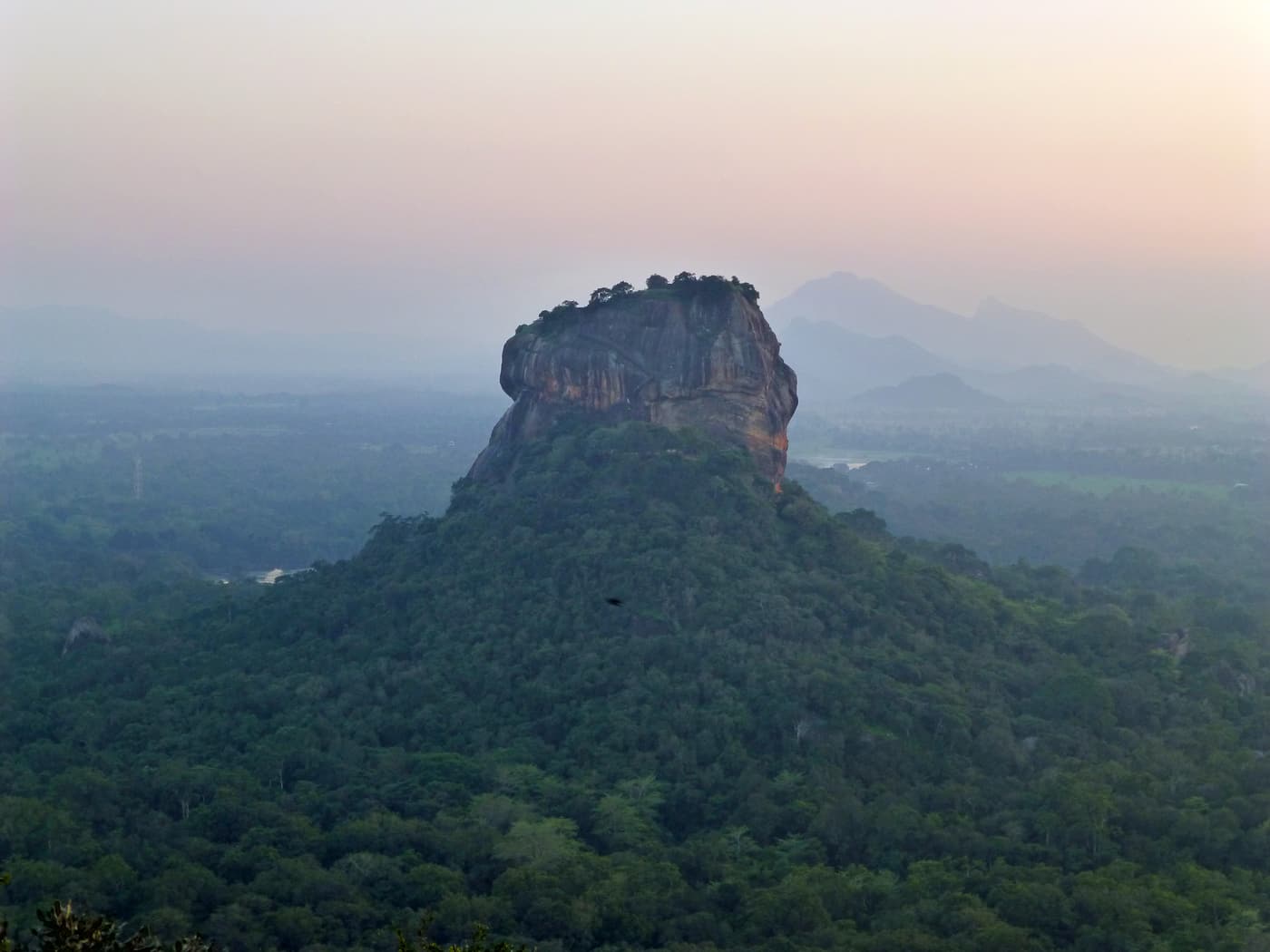
The best view of Lion Rock
Sigiriya’s neighbour, a few minutes north by tuk-tuk, with a cave temple at its foot, a long brick reclining Buddha below the summit and a bare rock top that looks straight across the forest at Sigiriya. The sunrise favourite — and far cheaper.
 Elephant parks & forest monasteries
 Minneriya, Kaudulla & Hurulu
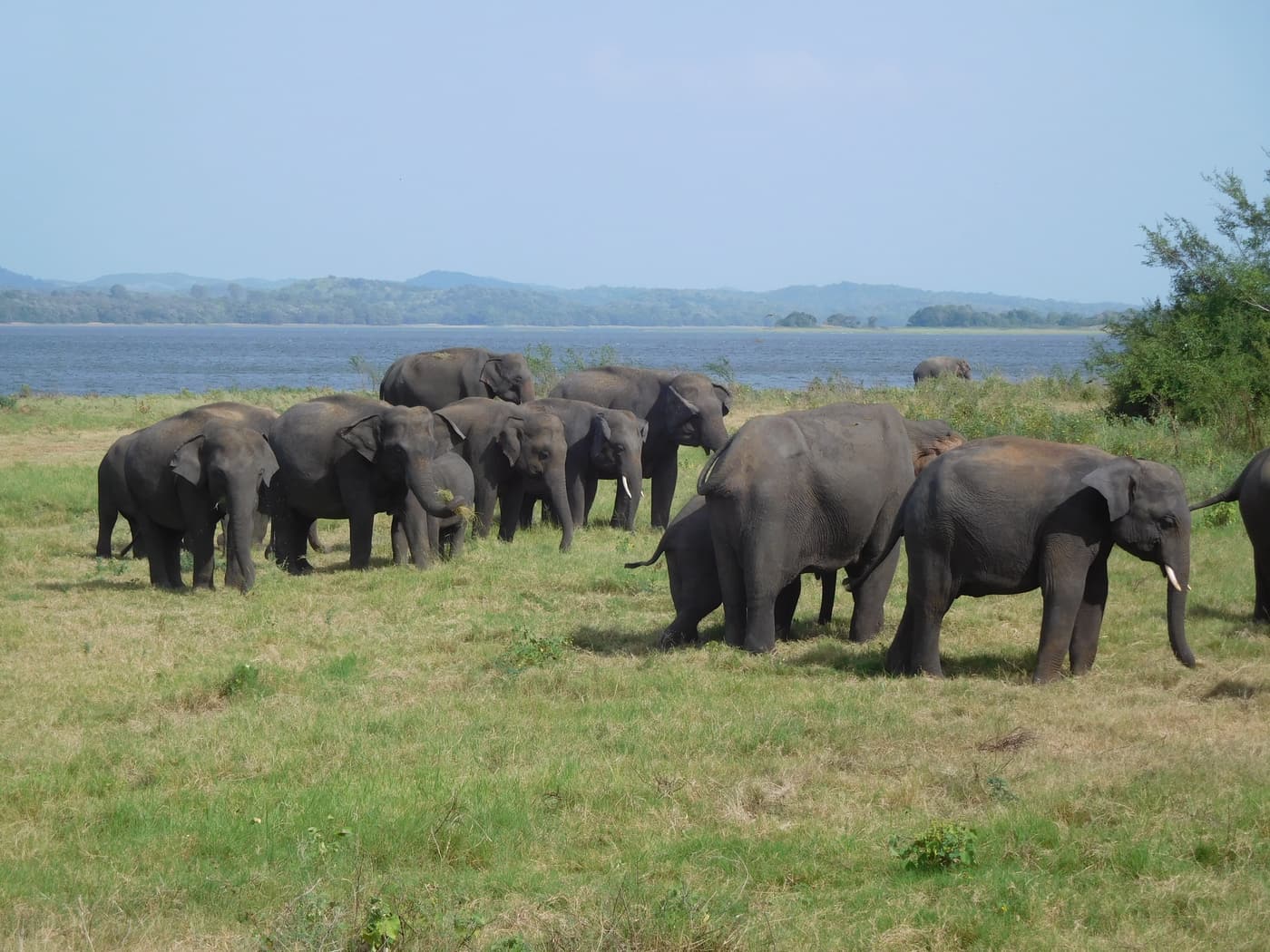
Elephant safaris half an hour from the rock
Three neighbouring reserves around Habarana share one large population of wild elephants. In the dry season hundreds gather on the receding shore of the Minneriya reservoir — an afternoon jeep safari is the classic second half of a Sigiriya day.
All nine places, with directions and tours, are in our things to see guide; the ascent itself is covered step by step in climbing Sigiriya.
Beyond the big sights
- Village tours: a bullock-cart ride, a canoe across a reservoir, a walk through vegetable plots and lunch in a farmhouse. Touristy, but good-humoured and a real income for local families.
- Cooking classes: several families teach rice and curry in their own kitchens — a good use of an evening.
- Hot-air balloons: dawn flights operate in the calmer months, roughly November to April, weather permitting.
- Cycling: the lanes around the Sigiriya reservoir are flat and quiet in daylight.
- Night wildlife walks: the surrounding forest is home to the slender loris.
Bookable versions of all of these are on our tours page.
What it costs
Sri Lanka is inexpensive day to day, but entrance fees for foreigners are high. Indicative prices:
| Item | Typical price |
|---|---|
| Sigiriya rock (foreign adult) | ≈US$35 |
| Pidurangala | ≈LKR 1,000 |
| Dambulla Cave Temple | ≈LKR 2,000 |
| Polonnaruwa ancient city | ≈US$30 |
| Jeep safari, half day | From ≈US$25–35 per person; park fees often extra |
| Private guide for the rock | From ≈US$29 |
| Rice and curry in a village restaurant | A few US dollars |
| Guesthouse double / resort | ≈US$20–45 / US$80–300+ |
Treat every figure as a guide: ticket prices are revised regularly, and everything else moves with the season.
Eating and drinking
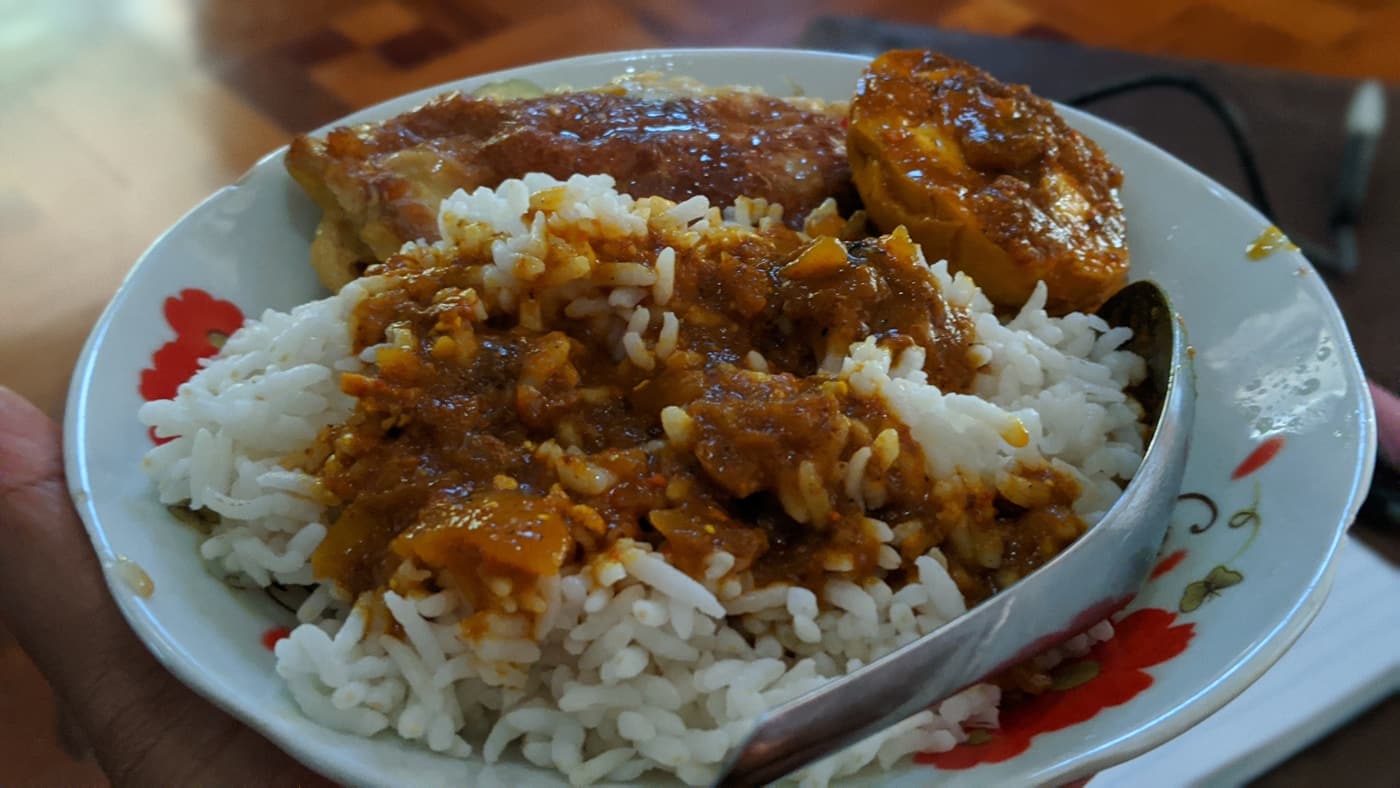
The village has a short main street of simple restaurants serving rice and curry — a plate of rice surrounded by half a dozen vegetable, dhal and fish or chicken curries — along with kottu (chopped flatbread fried with vegetables and egg), hoppers and fresh fruit juices. Vegetarians eat very well. Guesthouses often cook the best meals of all if you order in the morning. Drink bottled or filtered water, and note that alcohol is not sold on Poya (full-moon) days.
Where to stay
Sigiriya itself has everything from family guesthouses to some of the most admired nature hotels in the country, several with a view of the rock. Habarana, 15 km north, suits safari-goers; Dambulla and the Kandalama lake, to the south-west, suit those heading for the caves and Kandy. We compare them on our where to stay page.
Practical details
- Money: the Sri Lankan rupee (LKR). There are only a few ATMs in Sigiriya village; Dambulla and Habarana have more. Carry cash for tuk-tuks, small restaurants and Pidurangala.
- Language: Sinhala and Tamil; English is widely understood in tourism.
- Heat: this is the dry zone — commonly 30–34 °C by day. Do your climbing early or late and rest at midday.
- Mobile data: local SIM cards are cheap and sold at the airport; coverage around Sigiriya is generally good.
- Health: use insect repellent at dusk, and sunscreen always.
- Entry: most visitors need an ETA before arrival — see our getting here guide.
Safety and etiquette
- Elephants: wild elephants cross the roads around Sigiriya, mainly between dusk and dawn. Do not walk or cycle outside the village centre after dark, and never approach one.
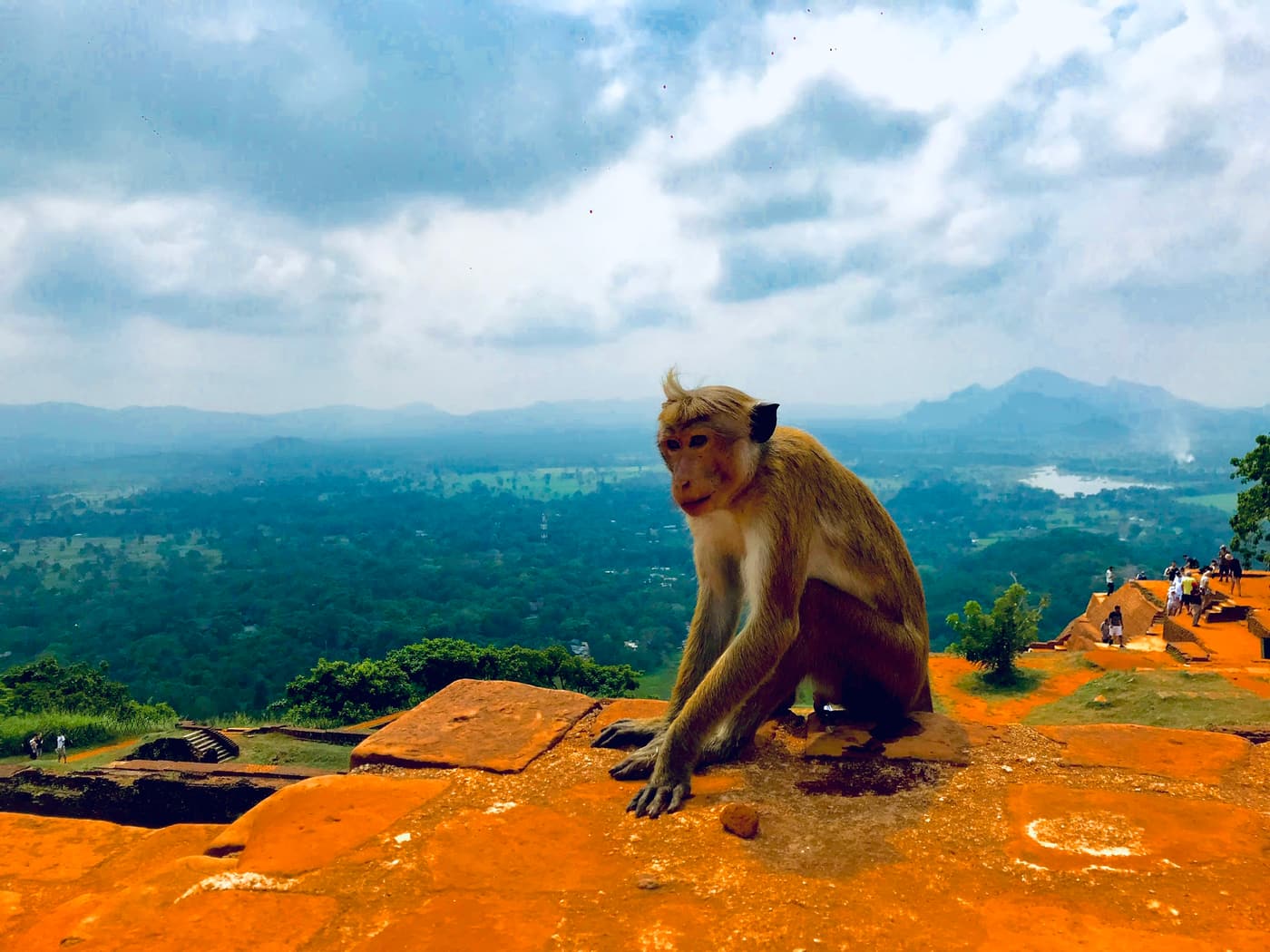
- Monkeys: toque macaques at the rock will snatch food and bags left open. Do not feed them.
- Hornets: keep quiet on the upper part of the rock and follow the wardens’ instructions.
- The frescoes: no photographs. The rule is enforced.
- Temples: at Pidurangala, Dambulla and every Buddhist shrine cover shoulders and knees, remove shoes and hats, and never pose with your back to a Buddha image. Visible tattoos of the Buddha can cause serious offence.
- Touts and prices: agree tuk-tuk fares and guide fees in advance. Sigiriya is a friendly, low-key place and serious problems are rare.
Common mistakes
- Climbing at midday. Go at opening time or in the late afternoon.
- Coming on a day trip from Colombo when one night here would cost little more.
- Booking a morning safari — the elephants are far easier to see in the afternoon.
- Carrying too little water, or wearing flip-flops.
- Skipping the museum and gardens, which explain what you see on the rock.
- Trying to fit Sigiriya, Dambulla, Polonnaruwa and a safari into a single day.